HRM / HCM Platform
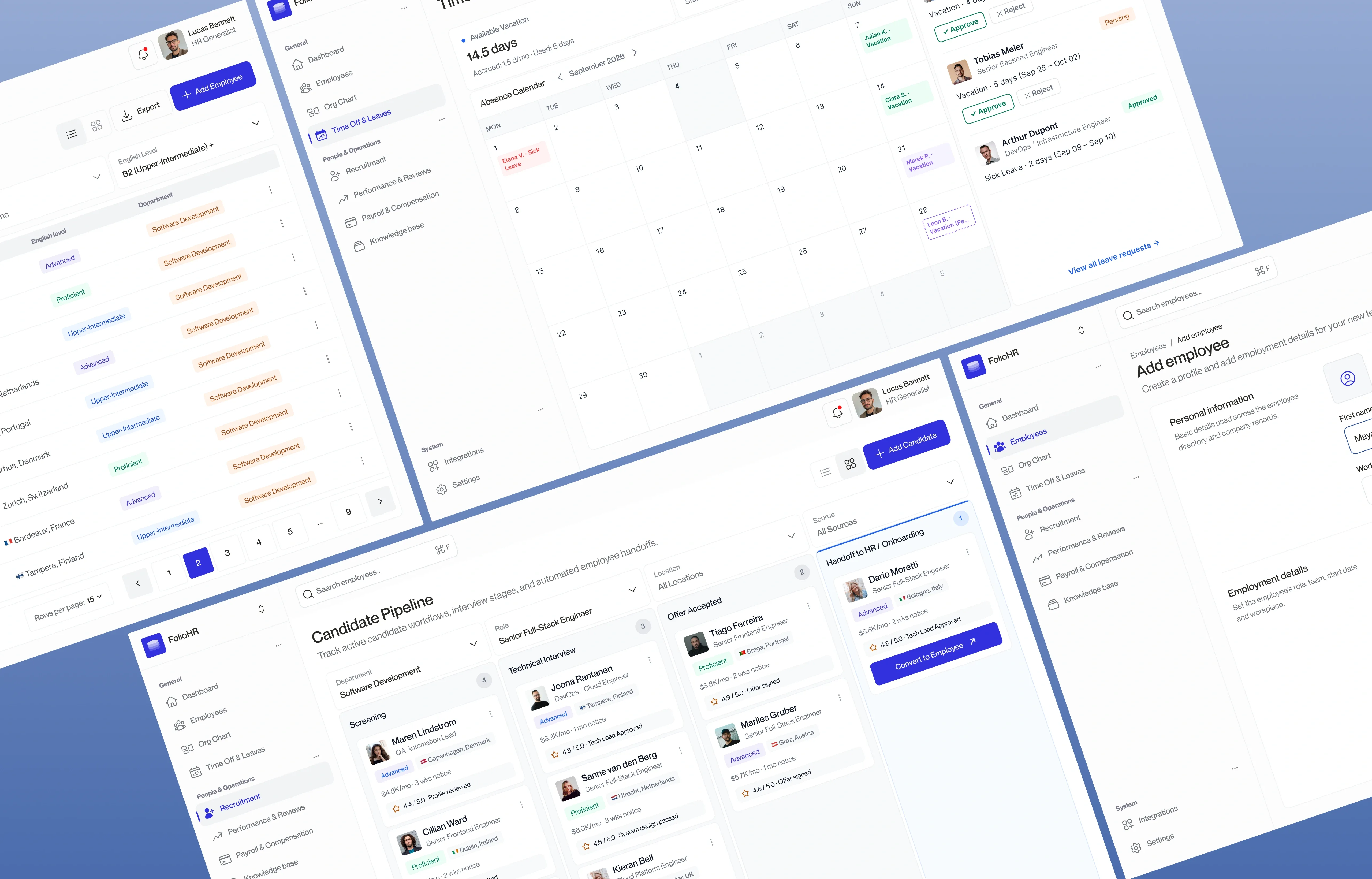
Full-cycle development of a custom HRM/HCM platform: employee directory, accrual-based time off, a company-wide absence calendar, and an internal knowledge base.

Industries
Country

Germany

Austria
What we did
HR Tech
·HCM
·Enterprise Software
Stack
Node.js
·Fastify
·Next.js
·Temporal
·RabbitMQ
·PostgreSQL
·Redis
·RAG
·Elasticsearch
·Docker
·AWS
·Microservices
Client
The client is a healthcare company that needed a centralized HRM/HCM platform to manage employee data, time-off, absences, onboarding, and internal knowledge in one place.
Their main challenge was fragmented people-related data and slow, inconsistent HR processes caused by manual tools and spreadsheets.
We developed a custom HRM/HCM platform that serves as a single source of truth for team structure, roles, employee records, time-off management, absence tracking, and company knowledge.
Key Highlights
1 source of truth for people — employee directory, roles, and status in one system.
Accrual-based time off — per-type balances that accrue automatically, with self-service requests and approvals.
Company-wide absence calendar — approved and pending time off in calendar and Gantt views, filterable by role.
Built-in knowledge base — spaces, documents, and a searchable case library, not a separate tool.
Challenge
In many companies, HR runs on a patchwork: employee data in spreadsheets, time off tracked over email, org structure in someone's head, and company documentation scattered across drives and chat threads. It works until it doesn't — records drift out of date, no one is sure who's off next week or who has access to what, and every multi-step process depends on someone remembering the next step. The client needed one authoritative HR platform that both holds accurate people data and actually runs the processes and information around it.
Delivering that as a custom platform set several specific requirements:
- Be the single source of truth for people. The employee directory, roles, and account status had to be authoritative and consistent — one reliable place, administered centrally, instead of scattered, conflicting copies.
- Make time off self-service, accurate, and visible. Staff needed to see their own balances and request days off themselves, with per-type accrual handled automatically, and the whole company's availability visible on a shared calendar — instead of routing every request and balance question through HR.
- Keep company knowledge in one place. Documentation, policies, and reference material had to live inside the platform, organized and searchable, rather than scattered across separate tools.
- Automate multi-step HR processes reliably. Workflows like onboarding span many steps and can't quietly stall halfway — they had to complete consistently even when a step is slow or a service fails.
- Get access control right, and hold up as headcount grows. HR defines who someone is and what they do, so the platform needed a solid role-based access model and the performance to stay accurate and responsive as the organization scales.
Because HR data underpins pay, access, time off, and day-to-day operations, its accuracy and reliability weren't a convenience — they were the foundation the whole system rested on.
Solution
We built the HRM/HCM platform as a modular, microservices-based system, choosing each part of the stack to serve accuracy, reliability, and scale:
- A modular microservices architecture over a monolith. Core areas — people records, time off, knowledge base, access control, workflows — are built as independent services, so each scales and evolves on its own without one part dragging down the rest.
- Central team & role administration. An Admin / Users area manages team members, roles (Admin, Developer, Sales Manager, and more), account status, and invitations from one place — the authoritative people hub the rest of the platform draws from, with a Telegram integration for notifications.
- Accrual-based, self-service time off. The My Time Off module gives each person their own balances per leave type (e.g. vacation, sick leave), accruing automatically on a configurable schedule, with self-service requests, an approval flow, and full request history — so staff manage their own leave and HR isn't the manual middle step.
- A company-wide absence calendar. The Absence Calendar shows approved and pending time off across the whole company in both calendar and Gantt views, filterable by role — so managers see availability at a glance instead of piecing it together from emails.
- A built-in knowledge base with organized spaces. The Knowledge Base (built on Docmost) organizes documentation into spaces (e.g. per team or project) and includes a searchable Cases library with natural-language search and rich filtering — so employees and sales find reference material where they already work, instead of digging through scattered files.
- A solid role-based access model. Roles and permissions are defined centrally and consistently, so access stays controlled and predictable as the organization grows — no ad-hoc, per-team rules.
- Temporal for durable HR workflows. Multi-step processes like onboarding run as durable workflows that complete reliably and recover from failures mid-process — the difference between a system that lists onboarding tasks and one that runs the onboarding.
- RabbitMQ for decoupled, reliable internal flow. Combined with a modern Next.js frontend, Fastify/Node APIs, and Redis caching, the directory, time off, calendar, knowledge base, and workflows stay responsive under daily use.
Process
- Modeling people data & access — the core decision. We first modeled people, roles, and account status as the authoritative source everything else depends on, and built the role-based permission model up front, because that shapes access, workflows, and every screen in the product.
- Building the time-off engine. We built the accrual logic (per-type balances accruing on schedule), the self-service request and approval flow, and request history — the part that has to be exactly right, since it touches balances and, ultimately, pay.
- Building the company absence calendar. We built the company-wide calendar and Gantt views with role filtering on top of the same time-off data, so availability is always consistent with the underlying requests.
- Integrating the knowledge base. We integrated Docmost as the knowledge layer, structured into spaces, and built the searchable Cases library around it.
- Workflow orchestration & internal messaging. We used Temporal to make onboarding and other multi-step processes durable and recoverable, and wired services together over RabbitMQ so people-data changes propagate reliably.
- Frontend, QA, deployment & support. We built the Next.js interface with role-based views, tested, deployed via CI/CD on cloud infrastructure, and continue to support and evolve the platform.
Integrations: Telegram · LinkedIn · Google Chat · Airtable · SMTP · Ollama · Sentry · PostgreSQL + pgvector · Redis · Temporal · Docker Compose · GitHub Actions + GHCR.
Result
- One source of truth for people. Team records, roles, and status now live in one centrally administered system — replacing scattered spreadsheets and out-of-sync copies with a record the whole company can rely on.
- Employees self-serve, HR stops firefighting. Staff check their own balances, request time off, see who's away on the company calendar, and find documentation themselves — cutting the manual back-and-forth that used to run through HR for every small request.
- Availability is visible at a glance. A company-wide absence calendar with calendar and Gantt views means managers can plan around who's off, instead of reconstructing it from emails.
- HR processes that actually complete. Durable orchestration means multi-step workflows like onboarding finish reliably rather than stalling between steps or depending on someone to chase them.
- A platform built to scale, not be replaced. A modular, microservices architecture lets the system grow with headcount and add new HR capabilities without a rebuild.
Technologies: Node.js · Fastify.js · Next.js · Temporal · RabbitMQ · PostgreSQL · Redis · RAG · Elasticsearch · Docker · AWS · Microservices.
Related services


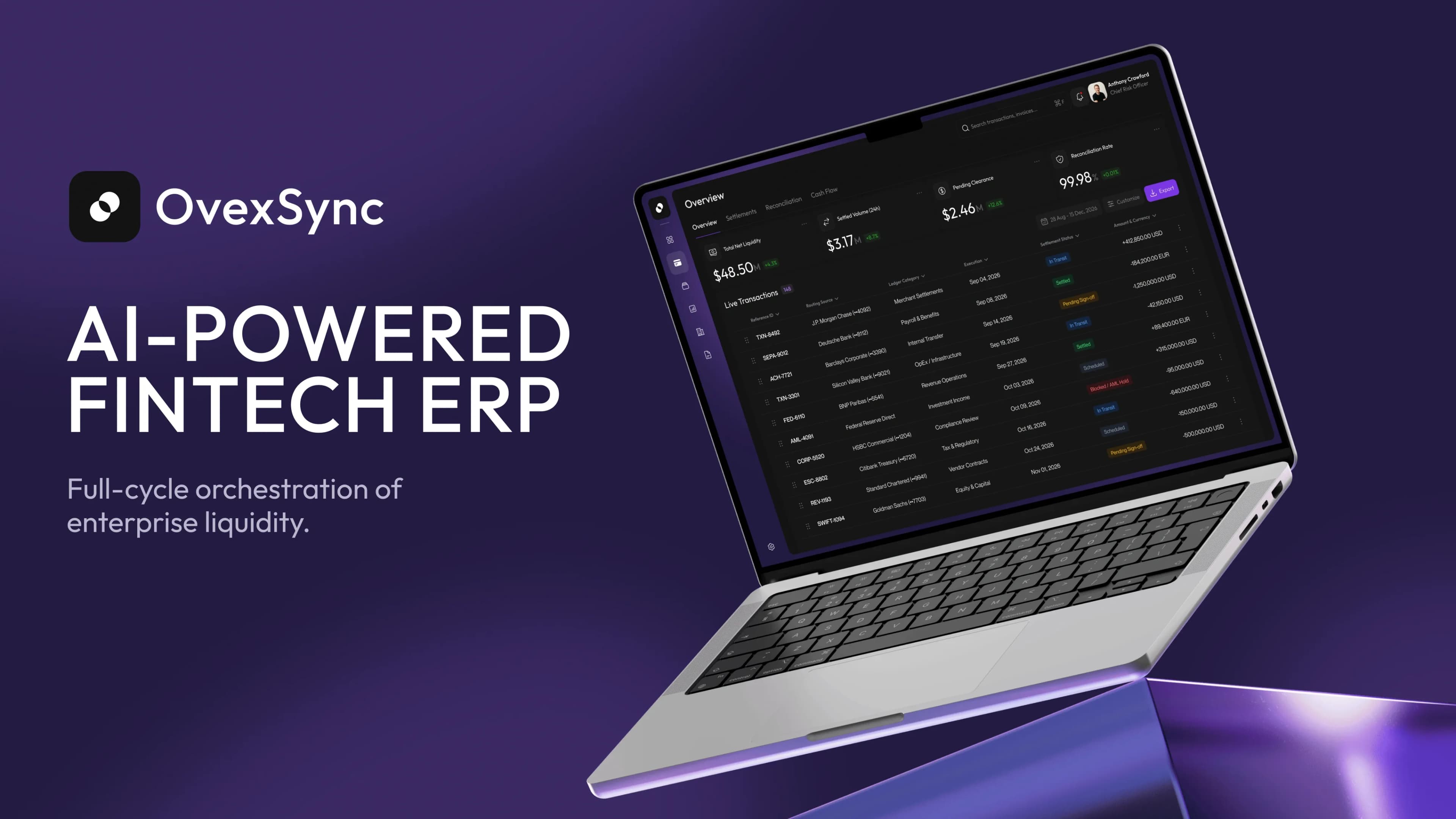
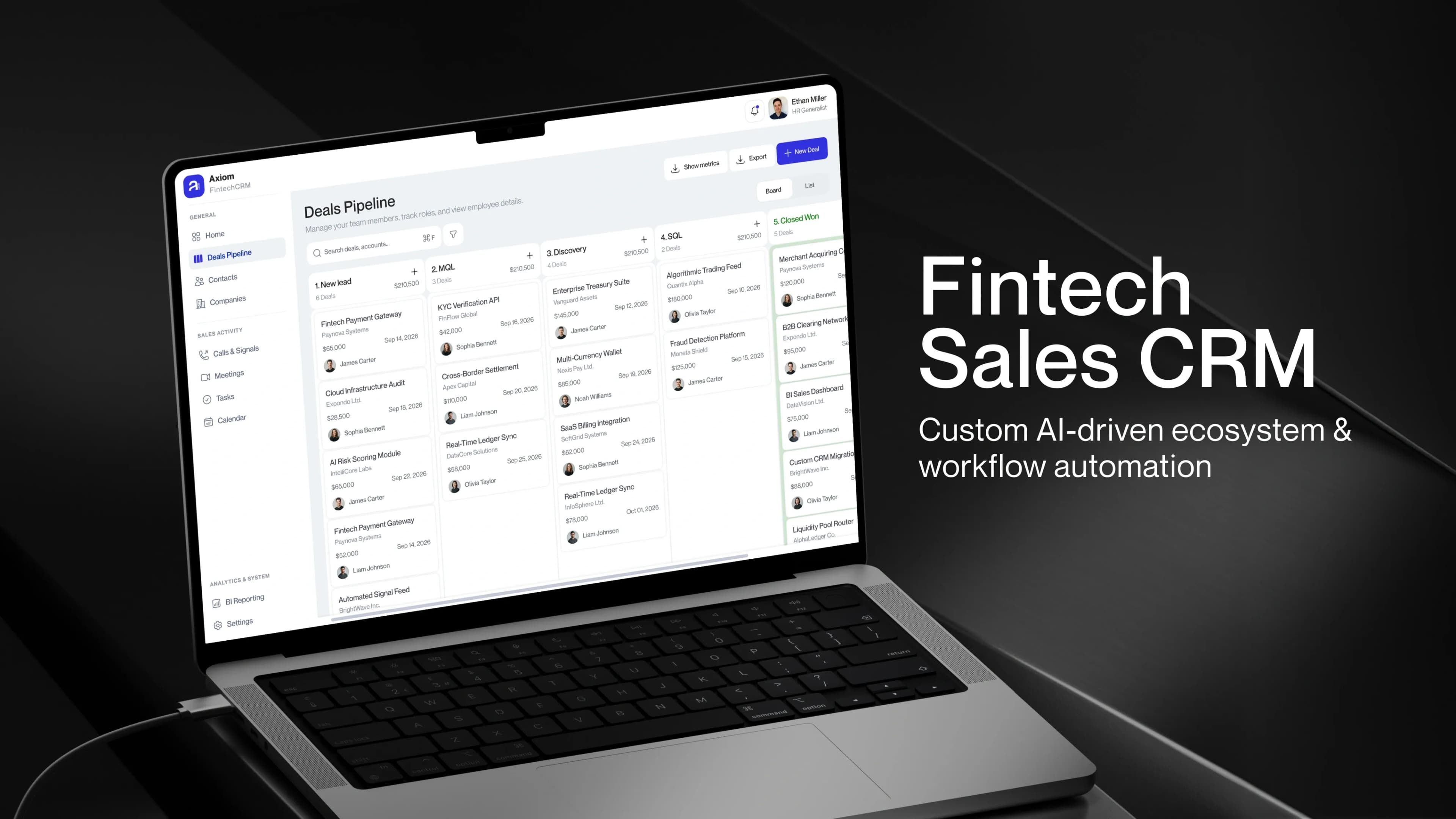
Explore more case studies
Explore all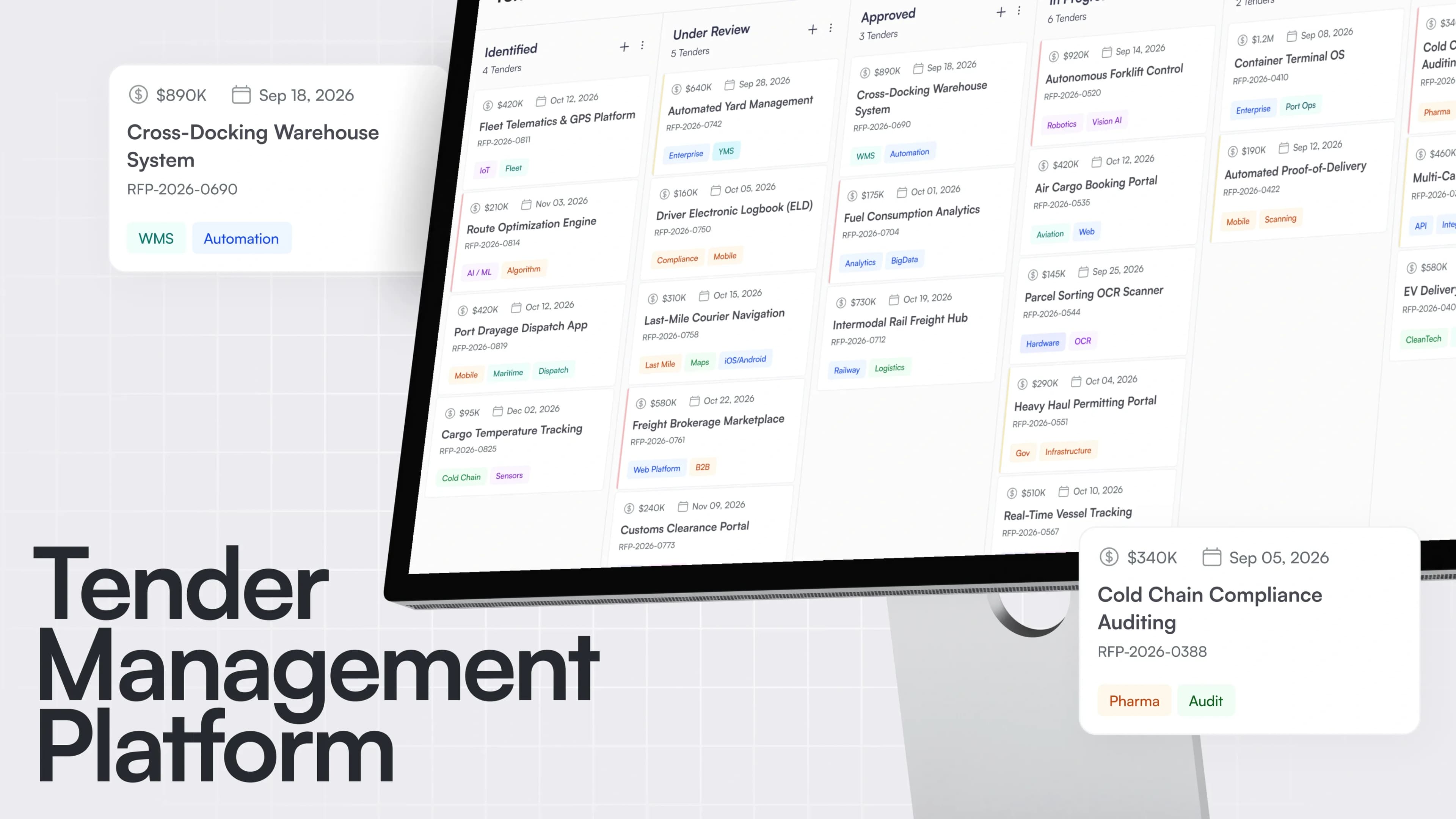
Have a product that needs to impress from the first second?
Premium look and speed don't have to compete. ZentixSoft builds sites that convey the full value of your product - and open instantly on any device.
